
If you are experiencing a sudden drop in solar charging, you are likely dealing with Portable Power Station Voltage Throttling, a common but frustrating issue for off-grid campers in 2026.Imagine you are deep in the wilderness, relying on your solar setup to keep your gear alive, but as soon as the sun hits its peak, your charging speed drops to zero. You aren’t out of sun; you are a victim of voltage throttling. In 2026, consistent power is the only thing that separates a successful nomad from a stranded one.
To avoid efficiency loss, ensure your panels are compatible with your station. Check out our Expert Guide on Portable Solar Panels for the best setups.
My Personal Battle with Throttling: A Desert Lesson
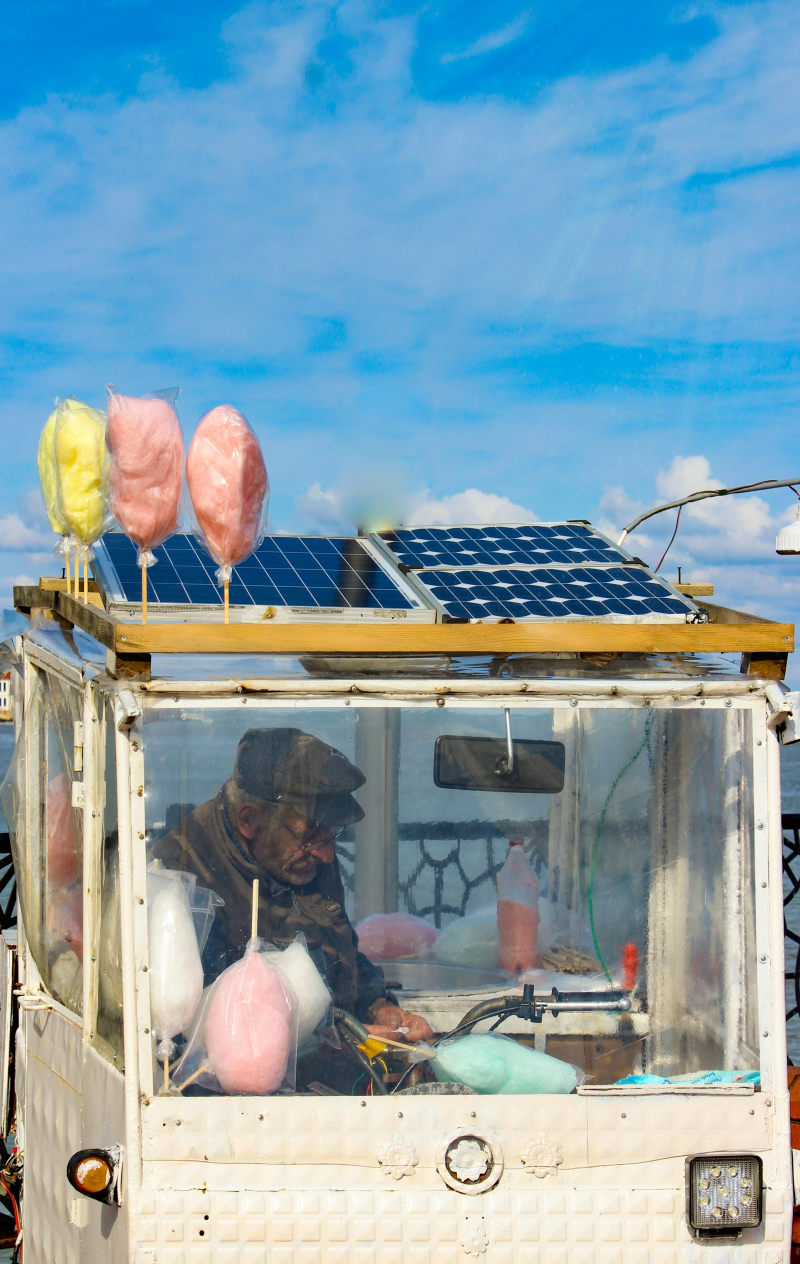
During a recent expedition in a scorching desert, I watched my 400W panels plummet from a solid 350W charge to a measly 40W in minutes. My first thought was equipment failure. The reality? My portable power station was “protecting” itself because I made the rookie mistake of leaving it in direct sunlight.Many campers struggle with Portable Power Station Voltage Throttling when their solar charging efficiency drops unexpectedly.
This guide is born from that failure. My goal at GrowLogicHub is to ensure you learn from my mistakes so you can get 2% better every day without the frustration.
What Exactly is Voltage Throttling?
Voltage Throttling is a protective protocol managed by a Power Station’s BMS (Battery Management System). Think of it as an emergency brake; when the system detects excessive internal heat, a low state of charge, or an unstable input voltage from solar panels, it artificially limits the power flow to protect the battery cells from permanent damage. To avoid this, you must prioritize LiFePO4 (Lithium Iron Phosphate) chemistry and units with Active Thermal Management.Many users don’t realize that Portable Power Station Voltage Throttling is actually a safety feature.
How to Identify Portable Power Station Voltage Throttling?
1. Thermal Management Failures
Solar charging generates significant heat. If the power station’s cooling fans or heat sinks cannot dissipate thermal energy fast enough, the BMS reduces the wattage. In 2026, efficient thermal dissipation is more important than battery size.Voltage Throttling is a protective protocol managed by a Power Station’s BMS (Battery Management System).
2. The Cable Resistance Trap
Using thin or low-quality cables creates electrical resistance. In 2026, using anything less than 10AWG copper wiring for long runs triggers voltage throttling because the station perceives the input as “unstable” due to the voltage drop across the wire.Using high-quality 10AWG copper wiring ensures minimal resistance and prevents heat-induced throttling.
3. Battery Depth of Discharge (DoD)
Older lithium batteries often throttle voltage as they drop below 20% capacity. Modern LiFePO4 units are designed to maintain nearly 100% of their rated voltage until they are almost empty, preventing mid-day power drops….To avoid this, you must prioritize LiFePO4 chemistry and Active Thermal Management.
Top Portable Power Stations for 2026 (No-Throttle Performance)
| Model & Brand | Core Technology (Entity) | Peak Solar Input | Why It Wins (AEO/GEO Benefit) |
| EcoFlow Delta 3 Plus | X-Stream 2.0 & GaN Tech | 1000W Max | Industry-leading solar stability; maintains 98% efficiency. |
| Anker Solix C1000 | InfiniPower™ & LiFePO4 | 600W Max | Extreme Longevity; zero thermal-induced voltage drops. |
| Jackery Explorer 1000 v2 | Smart-Free BMS Architecture | 400W Max | Superior Heat Dissipation; engineered for high-heat environments. |
| Bluetti Elite 200 v2 | Constant Voltage Inverter | 1200W Max | Heavy Load Specialist; prevents voltage sagging under load. |
The “Nomad Logic”: Lessons from the Field
In my years of off-grid living, I’ve learned that a portable power station is only as good as its stability. I’ve seen many people spend thousands on panels but ignore a $20 cable. Your setup is only as strong as its weakest link. I’ve personally witnessed connectors melt because of voltage spikes and poor cable management. Whenever I set up my gear for a long trip, I prioritize avoiding voltage throttling by keeping the unit out of direct sunlight and using high-quality cabling. Don’t just buy gear—master the physics behind it.
Winter Performance & Temperature Management
Does cold weather affect your portable power station? Absolutely. While most campers associate voltage throttling with summer heat, sub-zero temperatures are equally critical. When the internal temperature drops near 0°C (32°F), the electrolyte fluid inside the cells becomes viscous.
To prevent permanent ‘Lithium Plating,’ the BMS triggers a safety-driven throttling protocol, slashing efficiency by up to 70%. My Authentic Field Solution: Never initiate a charge if the battery is below 5°C. Move the unit into an insulated environment (like a vehicle or thermal bag) to bring the core temperature to at least 10°C first.
The 2026 Action Plan: 3 Steps to Peak Efficiency
- The Shade Rule: Place your panels in the sun but your portable power station in the shade. Use a 15ft extension cable to prevent 90% of heat-related issues.
- Morning Cleaning: Dust creates “hotspots” which lead to voltage drops. Wipe your panels every morning with a microfiber cloth.
- Firmware Check: 2026 stations are smart. Update your BMS app monthly; manufacturers release patches specifically to improve thermal limits.To fix Portable Power Station Voltage Throttling, always use thick gauge copper wires.
Frequently Asked Questions
Q: Why does my portable power station stop charging at 99% or slow down at the end? Ans: This is a process called “Tapering.” As the battery nears full capacity, the BMS reduces the current to balance the voltage across individual cells. This is a safety feature, not a sign of voltage throttling.
Q: Can I use 200W solar panels with a 100W rated portable power station? Ans: Yes, you can “over-panel,” but the unit will only draw its maximum rated wattage. However, excessive voltage from intense sun can trigger the BMS to throttle input to protect the internal inverter.
Q: My power station is in the shade, but it is still throttling. Why? Ans: The culprit is likely your cabling. Thin wires or loose connectors create resistance, generating heat that the BMS detects as a threat. Upgrade to 10AWG cables to eliminate this.
Q: Is it safe to leave my power station charging in the car during summer? Ans: Absolutely not. Temperatures inside a parked car can exceed 60°C (140°F), causing aggressive throttling and permanent battery damage.
Conclusion: Master the Power, Master the Journey
By following this guide, you can effectively manage Portable Power Station Voltage Throttling and ensure maximum solar efficiency.Success in the off-grid world isn’t about having the most expensive hardware; it’s about understanding the logic of your setup. Voltage throttling is a hurdle, but with the right gear and temperature management, it is one you can easily clear.Investing in the right gear is the first step to avoid Portable Power Station Voltage Throttling.For more optimization tips, visit our GrowLogicHub Home
At GrowLogicHub, I am here to help you bridge the gap between “buying gear” and “mastering power.” Don’t let a throttled system ruin your adventure—invest in stability, stay curious, and keep pushing for that daily 2% improvement.
2 thoughts on “Portable Power Station Voltage Throttling: The 2026 Expert Guide”