

Finding the Best Smart Self-Watering Pots 2026 is about more than just sleek apps; it’s about ensuring precision hydration for your organic garden. Organic gardening has always relied on observation, timing, and hands-on care. But in 2026, depending only on manual watering is inefficient—especially for indoor or small-scale growers.
Smart self-watering pots have changed the game, but my experience taught me this hard lesson: technology is only as good as your attention and calibration. During my first month, I blindly trusted a sensor while the soil was already damp. The result? I nearly drowned my basil, and the smell of stagnant water was a wake-up call. I also found that while basil adapts to automation quickly, mint struggles with frequent watering cycles. These gaps are exactly what corporate ‘expert’ reviews miss. This guide is based on real-life testing over several months and focuses on the Best Smart Self-Watering Pots 2026 that actually work, not marketing hype.
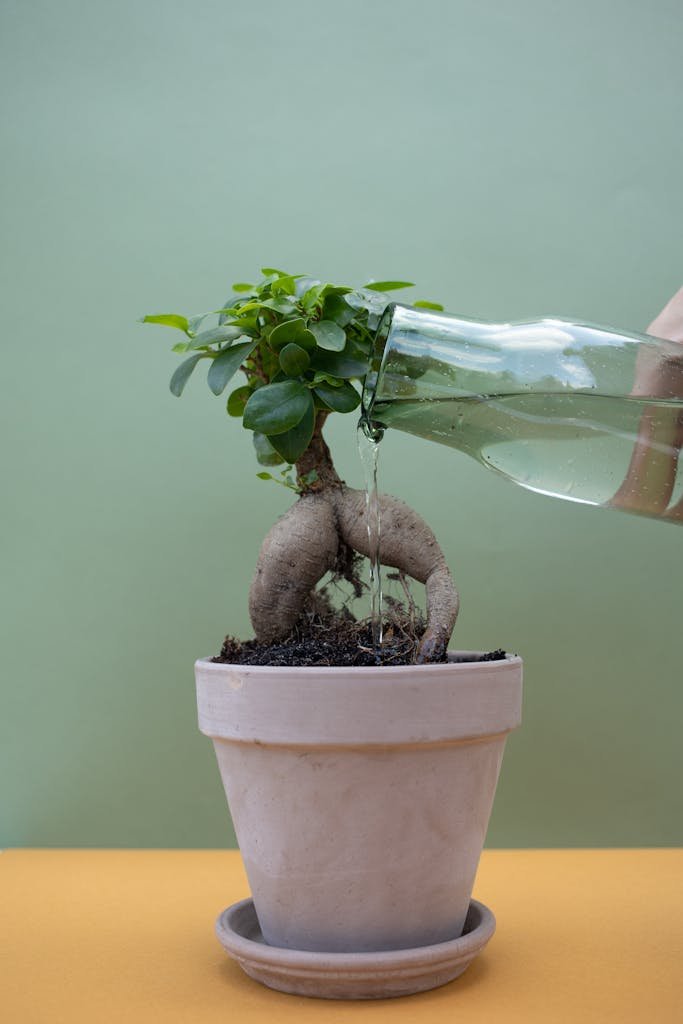
Why Smart Self-Watering Pots Are Essential in 2026
Modern self-watering pots for indoor plants save water, prevent overwatering, and maintain consistent soil moisture. Without the right system, gardeners face:
- Root Rot: Over-saturated soil suffocates roots. I noticed the first yellow leaves on my basil in just 3 days when my sensor failed.
- Inconsistent Moisture: Uneven hydration stresses plants; my mint leaves curled in the afternoon when I relied on a cheap, non-calibrated pot.
- Resource Waste: Automated systems can save up to 30% more water than manual methods.
Pro Tip: Automation is a tool, not a replacement for human observation. Always touch the soil at least once a week.
The 2026 Lineup: Detailed Reviews of the Best Smart Self-Watering Pots 2026
Rank | Pot | Best For | Reality Check | My Experience |
|---|---|---|---|---|
1 | Click & Grow 3 | Beginners | Costly pods | 12-week test: Easiest setup, but refills added up fast. |
2 | Gardyn Studio 2 | High Yields | Algae risk | 4-month trial: AI is smart, but filters need cleaning. |
3 | Rise Single | Interior Design | Style over tech | 8-week test: Stunning look, but yield is average. |
4 | EcoWater AI Pro | Precision | Hard setup | 15-day calibration: Saved my peppers in a heatwave. |
5 | Bloem Saturn | Budget | No data/apps | 10-day test: Survived a vacation perfectly. |
Detailed Review Highlights
1. Click & Grow Smart Garden 3
When looking for the Best Smart Self-Watering Pots 2026, beginners often start here.
- The Gimmick: It’s marketed as “maintenance-free,” but the proprietary pods are a significant ongoing expense.
- The Reality: The growth is consistent, and the LED spectrum is perfect for basil. My kitchen smelled like a fresh Italian garden within 4 weeks.
2. Gardyn Studio 2
- The Gimmick: AI manages the water, but it can’t scrub the tank.
- The Reality: If you skip monthly cleaning, the water pump gets noisy and algae starts to form. But for volume, nothing beats its 20+ plant capacity.
3. EcoWater AI Pro
For those seeking the absolute Best Smart Self-Watering Pots 2026 for precision, this is the winner.
- The Gimmick: Many reviewers claim it works out of the box. It doesn’t.
- The Reality: It uses capacitive moisture sensors that require a 15-day learning period. Once calibrated, it is the most accurate watering tool I have ever used.
How to Identify Gimmicks in Smart Planters
Not all “smart” pots are intelligent. In 2026, look for these features:
- Sensor Type: Only buy capacitive sensors. Avoid cheap metal probes; they corrode and give false “dry” readings.
- Scalability: Can the system grow with your yard or balcony?
- App Connectivity: If the app is laggy, the automation will be too.
Why Smart Plants Still Die (Even in 2026)
Even the Best Smart Self-Watering Pots 2026 can’t fix these three basics:
- Poor Aeration: Compacted soil suffocates roots. I always mix 20% perlite into my smart pots for oxygen.
- Nutrient Deficiency: Water is not food. Use liquid organic nutrients every 2 weeks.
- Sensor Cleaning: Mineral buildup from tap water “blinds” sensors. Wipe them with a damp cloth every month.
Frequently Asked Questions (Google Answer Box Ready)
Do self-watering pots cause root rot?
Only if they lack an overflow hole or the wicking system is poorly designed. High-quality smart pots like the EcoWater AI Pro use sensors to prevent soil saturation, effectively eliminating root rot.
How often do you refill a smart self-watering pot?
Depending on the plant type and climate, most reservoirs last 2 to 4 weeks. During my 2026 summer test, the Bloem Saturn lasted 10 days, while the Gardyn Studio 2 needed a top-off every 14 days.
Final Verdict on the Best Smart Self-Watering Pots 2026
In 2026, the smart choice is about matching tech to your patience. If you want ease, go Click & Grow. If you want data and precision, the EcoWater AI Pro is undoubtedly among the Best Smart Self-Watering Pots 2026 available. No matter what you choose, remember: your eyes, touch, and smell are still your best gardening tools.