
organic foods and its impact on health:
Organic Foods and Health are deeply interconnected, but in 2026, the real question is: How safe is the food on your dinner plate . Organic Gardening has never been more critical. Most “fresh” vegetables in supermarkets are harvested weeks early and coated in synthetic waxes. By the time they reach your kitchen, they have often lost up to 50% of their essential nutrients.
You are paying premium prices for perished nutrition. This isn’t just an inflation problem; it is a biological crisis. To save money on groceries, many are turning to homegrown solutions. Many insights on these nutrient-dense vegetables are now being featured in top-tier organic magazines because the public is waking up to the dangers of mass-produced food.
At Grow Logic Hub, we believe that taking control of your food source is the only way to guarantee purity. To maximize your home gardening ROI, you don’t need a farm; you just need the right gear, such as these five smart gardening tools that simplify the entire process.
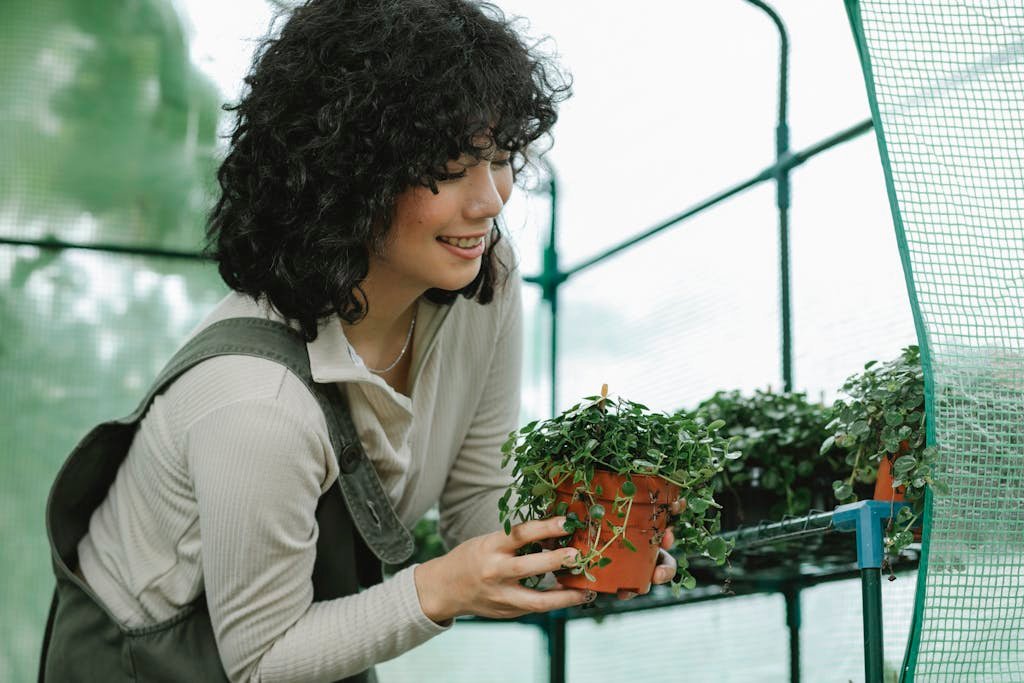
The Physical ROI: Maximizing Smart Gardening Benefits
Gardening is a functional, high-impact physical activity that outperforms many gym routines:
- The Caloric Burn: Tasks like digging burn between 200 to 400 calories per hour, proving that Organic Foods and Health start with physical labor.
- The Immunity Shield: Working outdoors provides direct Vitamin D synthesis, a key smart gardening benefit for bone density.
- Vascular Health: Cultivating your garden helps the body detoxify through sweating.
- Disease Prevention: Clinical studies link regular gardening to reduced blood pressure and Type 2 diabetes risks.
Cognitive Zen: Protecting Your Mental Asset
Achieving optimal Organic Foods and Health starts with nurturing the earth beneath your feet.Your garden does not just grow nutrient-dense vegetables; it restores your brain. Interaction with nature triggers a measurable drop in Cortisol. This mental clarity is one of the most overlooked smart gardening benefits in our fast-paced world.
From Hobby to High-Class Business
Gardening isn’t just for the family; it has the potential to be a lucrative local business. As noted in several organic magazines, the demand for “farm-to-table” purity is at an all-time high. By using five smart gardening tools, you can automate your yield and save money on groceries for your entire community.
Sensory Pleasure: The Atmospheric Soul
Imagine long green branches climbing your walls, scattered with multi-colored flowers like Roses and Jasmine. A garden isn’t just about Organic Foods and Health; it’s a sensory masterpiece that provides a stunning sight and unforgettable smells that touch the soul.
Stop Guessing. Start Calculating Your Home Gardening ROI.
When you grow your own nutrient-dense vegetables, you aren’t just saving on hospital bills—you are reclaiming thousands of dollars. Improving your home gardening ROI is the smartest financial move you can make this year.
join growlogichub
Are you ready to see the real numbers and save money on groceries? Use our Grocery Savings Calculator to discover exactly how much your organic harvest is worth. Turn your backyard or balcony into a high-yield investment today.
Frequently Asked Questions (FAQ)
1. How do organic foods impact long-term health? The link between Organic Foods and Health is primarily found in the absence of synthetic toxins. By consuming organic produce, you drastically reduce your body’s daily intake of nitrates and pesticide residues, which are known to cause oxidative stress. Long-term, this supports a healthier gut microbiome, improves cellular repair, and lowers the risk of chronic inflammatory diseases.
2. Can I really save money with a small home garden? Absolutely. Many people ask how to save money on groceries when organic prices are rising. By focusing on “high-yield, low-space” crops like spinach, tomatoes, and bell peppers, a small balcony garden can provide hundreds of dollars worth of produce annually. When you calculate your home gardening ROI, you will find that the initial seed cost is negligible compared to the premium prices charged by supermarkets.
3. What are the best nutrient-dense vegetables for beginners? For those starting out, leafy greens like Kale and Swiss Chard, along with Microgreens, are the best nutrient-dense vegetables to grow. They require minimal space, grow rapidly, and contain higher concentrations of vitamins and minerals compared to store-bought varieties that lose nutrition during transport.
4. What are the key smart gardening benefits for urban dwellers? One of the most significant smart gardening benefits is the ability to grow food in limited spaces using vertical systems or hydroponics. These technologies allow you to monitor soil health and water usage automatically, ensuring your plants stay healthy even with a busy schedule, while providing a necessary mental “reset” from urban stress.
Ultimately, the connection between Organic Foods and Health is the most valuable takeaway for any home gardener.