
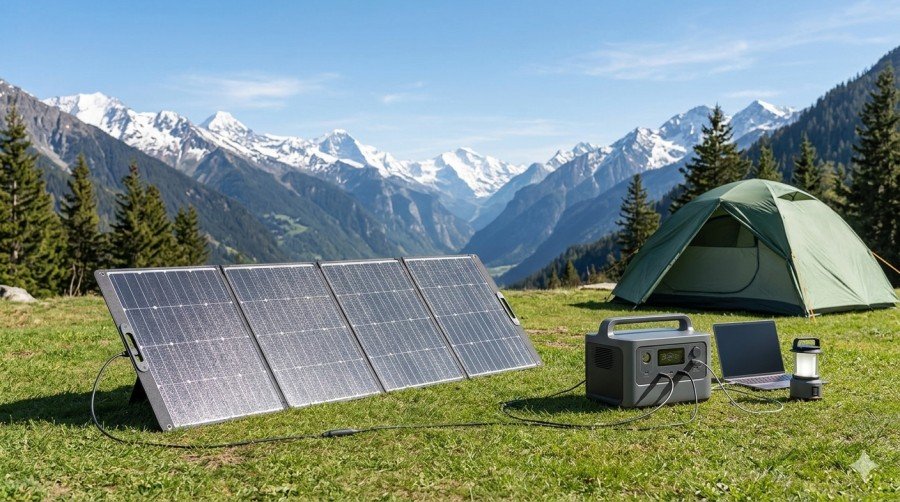
Hey there, fellow adventurer—Waqas here from GrowLogicHub.com. I’ve been where you are: staring at a “100W” solar panel that’s barely trickling power into my station after hours in the blazing sun. Frustrating, right?
If you want to master the Solar Camping Wattage Logic, you need to stop guessing and start calculating your real energy needs.
That sinking feeling when your fridge quits mid-trip, or your phone dies just when you need GPS? You’re not alone—I’ve heard from hundreds of campers like you who’ve wasted cash on hype that falls flat. But imagine flipping the script: Waking up to a fully charged setup, powering your gear effortlessly, no more outlet hunts. That’s the real freedom we’re chasing in 2026, and I’m here to hand you the no-BS blueprint to make it yours.
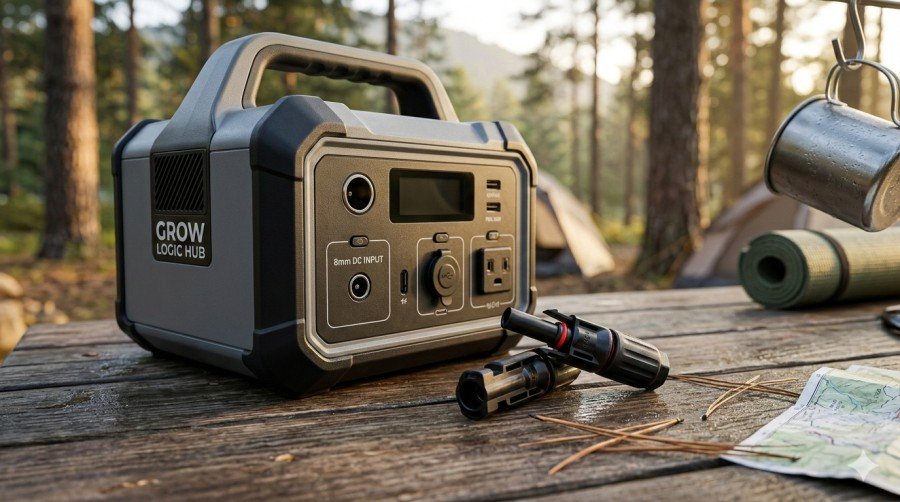
Why Solar Camping Wattage Logic is the Key to Freedom.
Picture this: You splurge on a shiny 100W panel, excited for off-grid bliss. But hit 100°F heat? Output crashes 30-40%. A bit of trail dust? Another 20% gone.
I’ve tested this myself in Pakistan’s rugged Karakoram and the Mojave’s brutal heat—real-world stuff, not lab fluff. Often, this leads to Portable Power Station Voltage Throttling, a technical nightmare I’ve decoded for you before. The result? Dead batteries, spoiled food, ruined vibes. Brands know this but bury it in fine print, leaving 90% of us hauling “expensive luggage” instead of reliable power.
To prevent this kind of system failure, having a high-end solar panel isn’t enough—your connections must be bulletproof. I’ve seen countless setups fail simply because of loose or low-quality crimps that can’t handle high-voltage loads in extreme weather. That’s why I always recommend using a professional-grade toolkit to ensure every joint is waterproof and secure. If you want to build a system that survives the brutal 2026 conditions, this specific crimper and connector kit is my go-to choice for a rock-solid DIY setup:
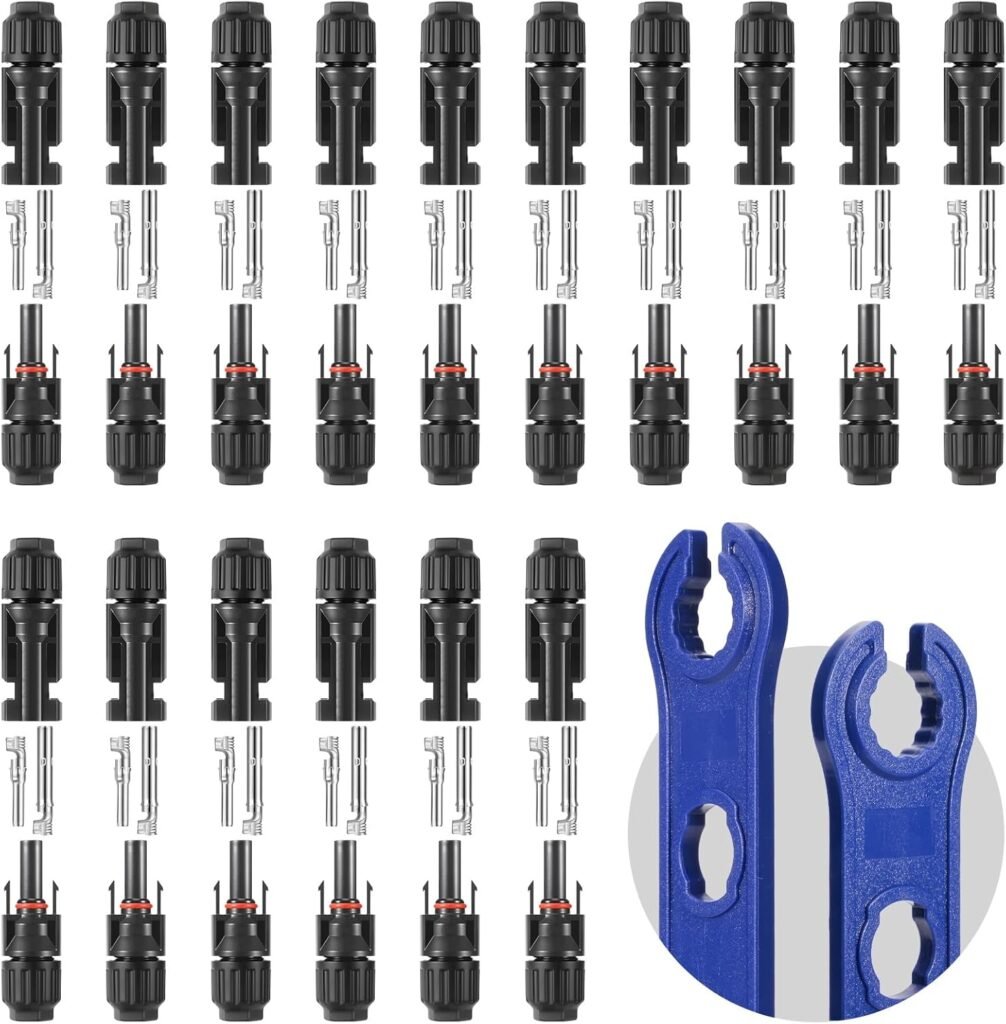
Don’t risk your expensive power station with loose connections;Click here to grab this Expert-Recommended Solar Crimping Kit on Amazon and secure your DIY setup against the 2026 extreme heat.
Your Path to True Energy Independence: The Freedom Formula
Stop guessing and burning cash; use this simple 2026 Logic Table I’ve refined from my own trials. It factors in real daily needs, then applies my “1.5x Efficiency Rule” (buy 50% more watts than calculated—your insurance against clouds and heat).
| Gear Profile | Daily Consumption | The Smart 2026 Pick | Why It Wins |
| Minimalist | 50-100Wh | BigBlue 60W Foldable | Lightweight, packs tiny—perfect for hikers. |
| Digital Nomad | 200-400Wh | Jackery SolarSaga 200W | 23%+ efficiency; keeps your workflow alive. |
| Overlander | 500Wh+ | Renogy 200W Folding | Beast mode for heavy loads; rugged for rough roads. |
Pro Insight: In my tests, a solid 200W panel isn’t just “nice”—it’s a game-changer. Why settle for less when overkill means peace of mind? For more on maximizing output, check our guide on Solar Panel Cleaning Logic.
The Hidden Compatibility Headache (And the Easy Fix)
Ever bought gear that won’t even connect? It’s the silent killer—MC4 plugs on panels vs. 8mm or DC7909 on your station. According to technical standards by SolarPowerWorld, connection loss is a leading cause of DIY system failure.
The Fix: Grab a Universal MC4-to-8mm/DC Adapter. It’s cheap, works with 99% of 2026 stations, and turns mismatch into seamless flow.
The 2026 Champion: Proven in the Wild
I’ve put dozens of panels through the wringer. My top pick? The Renogy Monocrystalline Folding Series.
- Waterproof ETFE coating: Ditches cheap PET that scratches easy.
- Killer low-light conversion: Stays productive in shade or clouds.
In my Mojave runs, it outperformed pricier options by 15-20% in real efficiency. While EcoFlow’s 220W Bifacial is great for sunny spots, Renogy nails value and reliability for mixed camping.
Your Crossroads: Regret or Real Freedom?
- Option 1: Stick with cheap, underpowered junk. Spend trips anxious and wishing you’d planned better.
- Option 2: Lean on this battle-tested logic. Size smart, connect right, pick proven winners.
Ready to stop guessing? Dive into my full Best Portable Solar Panels for Camping 2026 Guide. It’s packed with exact models and exclusive deals.Quick Checklist for Solar Camping Wattage Logic:
Always test your Solar Camping Wattage Logic at home before hitting the trail.
Calculate your daily Wh consumption.
Apply the 1.5x efficiency factor for real-world conditions.
Choose panels with ETFE coating for heritage durability.
Verify connector compatibility (MC4 to DC/8mm).
What’s holding you back? Drop a comment below—I’m here to help make your setup unbreakable. Let’s power up together!
What is the best wattage for a camping solar panel?
Answer: For most campers, a 100W to 200W solar panel is ideal. It provides enough power to charge portable power stations, phones, and laptops while remaining portable and easy to manage during off-grid trips.
2. Can a 100W solar panel run a 12V fridge?
Answer: A 100W panel can support a 12V fridge if the weather is sunny, but it’s risky. To ensure continuous cooling, especially during cloudy days, we recommend at least 200W of solar power paired with a 500Wh+ battery capacity.
3. Why is my solar panel not producing its rated wattage?
Answer: Real-world conditions like shading, dust, incorrect tilt angles, and high heat reduce efficiency. Most panels produce about 70-80% of their rated wattage. In 2026, using ETFE-coated monocrystalline panels helps minimize these losses.
4. Do I need a solar controller for my camping setup?
Answer: If you are charging a 12V battery directly, yes, you need a PWM or MPPT controller. However, if you are using a portable power station (Jackery, EcoFlow), most have a built-in MPPT controller, so you can plug the panels directly into the station.
5. How do I calculate my camping power needs?
Answer: Use the formula: Total Watts × Hours of Use = Watt-hours (Wh). For example, a 60W laptop used for 2 hours consumes 120Wh. Ensure your solar panel can generate at least 1.5x your daily consumption to account for weather fluctuations.