
Solar energy efficiency refers to how effectively a photovoltaic system converts sunlight into usable electricity. In 2026, premium commercial solar panels operate within an 18% to 24% efficiency range. However, real-world performance at GrowLogic Hub shows that output is influenced less by lab ratings and more by location, panel tilt, temperature control, and smart solar logic (like MPPT and load management). Proper seasonal optimization can improve daily yield by 10–15% without adding extra hardware.
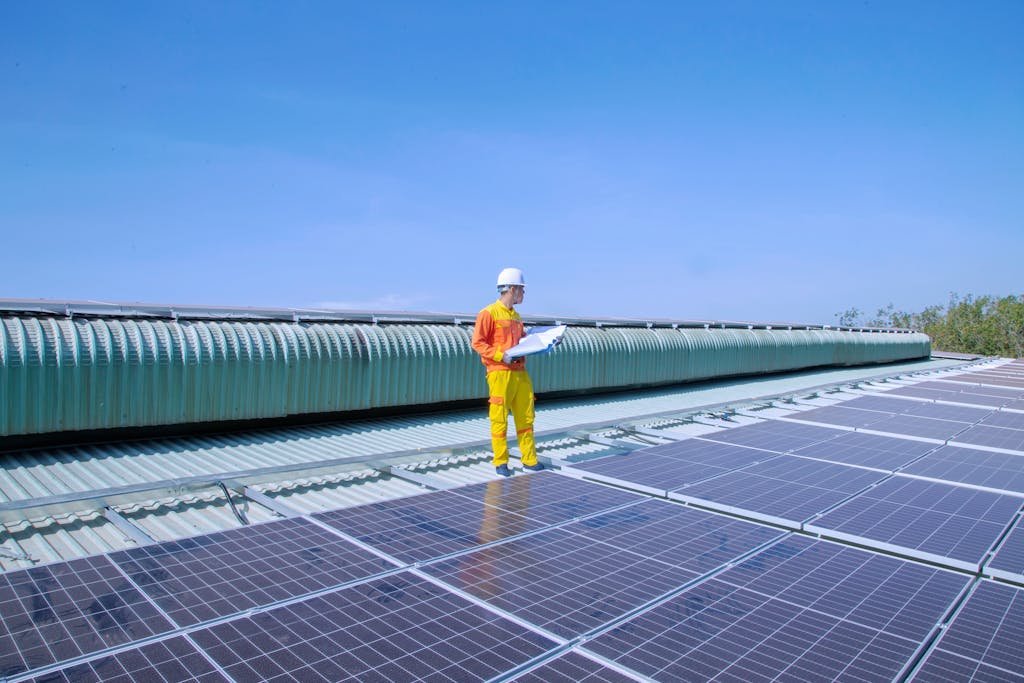
Understanding solar energy efficiency is the first step toward achieving total energy independence in 2026.
1. What Is Solar Module Efficiency?
Solar module efficiency is the percentage of sunlight that becomes electrical power. While datasheets focus on ideal conditions, actual performance depends on how panels behave in outdoor environments.
2026 Residential Efficiency Standards
- Standard Systems: Achieve 20–22% efficiency.
- Premium Modules: Reach 23–24%, allowing for more power on smaller roofs.
- Core Benefit: Higher efficiency means more power per square meter, reducing the overall installation footprint.
N-Type vs P-Type Panels: Field Observations
While the NREL Best Research-Cell Efficiencies chart tracks laboratory records, our 2026 real-world data shows that commercial panels are now closing the gap faster than ever.From hands-on testing, N-type monocrystalline panels consistently outperform older P-type models—especially in dusty, hazy, and partially cloudy conditions.
They degrade slower and maintain better output during low-light hours.To get the most out of your setup, it’s essential to understand the underlying Solar Logic that governs energy flow. You can learn more about this in our detailed guide on How Solar Logic Enhances System Performance.New N-type cells have pushed the boundaries of solar energy efficiency, making them the gold standard for this year.
Expert Tip: If roof space is limited, prioritize 23%+ efficiency panels instead of simply adding more modules.
2. How Location Impacts Solar Energy Efficiency
Location is the most underestimated factor in solar performance. Even small geographic changes can significantly affect your ROI.Your geographical location directly dictates the peak solar energy efficiency you can expect from your installation.
Irradiance and Latitude
Areas closer to the equator receive more consistent solar irradiance. However, local solar maps provide much better insight than global averages because of micro-climates and regional smog levels.
Panel Tilt and Seasonal Adjustment
In a recent GrowLogic Hub installation, adjusting the panel tilt by 10 degrees resulted in a 12% increase in daily energy production. This is where solar logic—the intelligent application of physics—makes a bigger difference than the hardware itself.
The Temperature Paradox (The Heat Myth)
Contrary to popular belief, excessive heat reduces efficiency.
- Most panels lose ~0.3% efficiency per °C above 25°C.
- Poor ventilation traps heat and accelerates energy loss.
- Solution: Elevated mounting is essential to improve airflow and longevity.
3. Solar Energy vs. Fossil Fuels: The 2026 Reality
How efficient is solar energy compared to fossil fuels? While fossil fuel plants achieve 35–45% thermal efficiency, they rely on continuous fuel consumption. Solar energy operates on a fundamentally different model: once installed, the “fuel” is free forever.
| Feature | Solar Energy (2026) | Fossil Fuels |
| Operational Cost | Near Zero | High (Fuel Dependent) |
| Sustainability | 100% Renewable | Depletable |
| User Control | High (On-site) | Low (Grid-based) |
| Carbon Emissions | Zero | High |
4. Innovative Solar Applications for 2026
Efficiency isn’t just for roofs anymore. We are seeing a massive shift in how solar logic is applied to mobile and structural designs.
Solar Energy for RVs and Off-Grid Living
For RV systems, efficiency depends on smart harvesting.
- Key Components: MPPT charge controllers and lightweight high-efficiency panels.
- Result: Even limited winter sunlight can support off-grid living when the load is prioritized correctly.
Metal Canopy Solar Systems
Energy-efficient metal canopy designs are now among the most space-efficient solutions. They serve a dual purpose: providing vehicle protection while acting as a large-scale power generation surface.
5. Maximizing Efficiency With Battery Storage
A solar system is only as strong as its storage strategy. Battery optimization can increase usable energy by 20–30%.
- Smart Load Shifting: Always run heavy appliances during peak sunlight hours.
- LiFePO4 Batteries: These are safer, have a longer lifespan, and offer higher discharge efficiency.
- System Sizing: Minimize inverter losses by matching your inverter capacity strictly to your peak load requirements.l solar energy efficiency over time.
6. Frequently Asked Questions
How are solar panels sustainable in the long term?
Solar panels last 25–30 years. By 2026, recycling technologies can recover up to 90% of materials, making it a truly circular green technology.
What is the typical efficiency range for commercial solar panels?
Most commercial panels in 2026 operate between 20% and 23.5% efficiency, though lab-tested perovskite tandem cells are now pushing past 27%.
Does location affect solar performance in winter?
Yes. During winter, the sun sits lower in the sky. Adjusting your panel tilt seasonally is the most effective way to maintain consistent solar energy efficiency.
Conclusion: Future-Proofing Your Solar Investment
The landscape of solar energy efficiency is evolving rapidly in 2026. As we have explored, achieving maximum output is no longer just about buying the most expensive panels; it’s about a strategic combination of high-performance N-type technology, precise location analysis, and smart maintenance logic.
By prioritizing solar energy efficiency through optimized tilt angles and real-world data monitoring, you can ensure that your system provides the highest possible ROI. Whether you are a homeowner or a business owner, staying updated with these 2026 trends will help you lead the way in sustainable energy. At GrowLogic Hub, we believe that data-driven decisions are the key to unlocking the full potential of renewable energy.
About the Author
Waqas Irfan Abbasi is a solar energy analyst at GrowLogic Hub. He specializes in real-world efficiency testing, smart solar logic integration, and maximizing ROI for residential and off-grid RV systems.
1 thought on “Solar Energy Efficiency in 2026: Real-World Data & Location Impact”